
The Algorithm Will Never Recommend Your Favorite Movie
The industry has always lived between creativity and commerce. But today, one side is clearly winning.

Movies are at the same time Art and Product. This is the paradox that has been around since the creation of the industry. What is more important when making filmmaking decisions? Creative sensibilities or market research? The answer is: yes.
But, with the latest shifts in how movies are made and distributed, the product side of the battle has been winning like never before.
Blake Lively, Toilet Paper, and Hitchcock
Do you remember the 2024 It Ends With Us controversy? You might reply: Which one? But a big story that may have been overshadowed by all the backstage gossip was the audience complaints that they were misled by the film’s marketing. That the movie had a story that involved domestic abuse but, “if you just watch the trailer for this movie … it looks like a romance”.
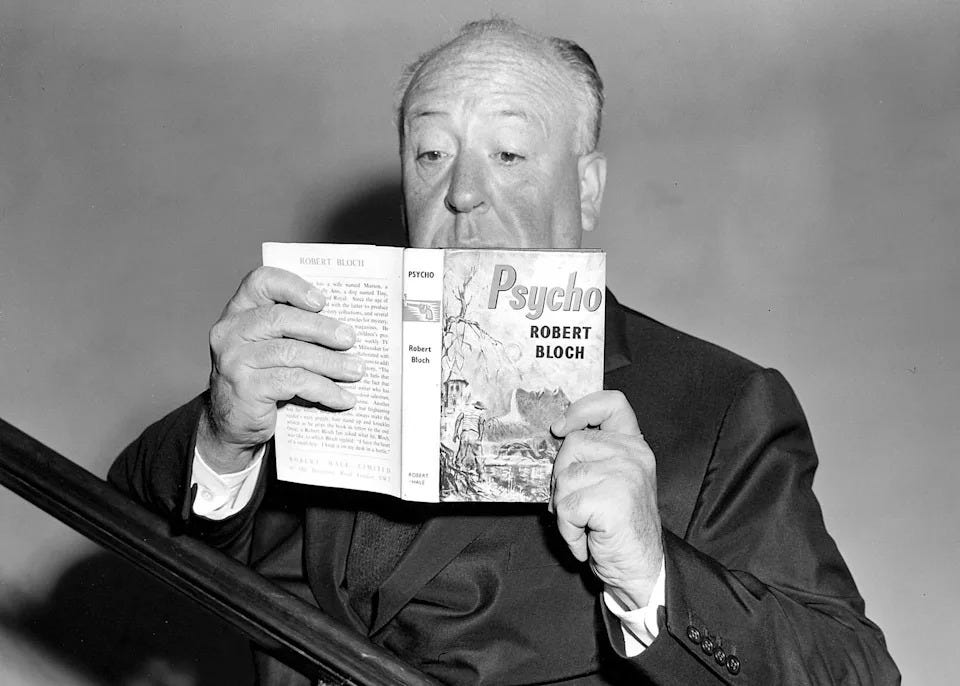
Sure, it is easy to argue for Blake Lively’s tone-deafness in that case. But, in principle, is a misleading trailer such a bad thing? Don’t we want to be surprised by the unexpected paths artists might take? Or is the trailer supposed to be just an ad for a regular product? Like toilet paper? Telling you everything you should expect when you buy it: the thickness, the dimensions, how many sheets you need… I can’t help but imagine what would happen if today’s audience went to watch Psycho back in 1960. Would we ask for our money back after (66-year-old spoiler alert) Marion dies in the shower? Would we complain that the SIX-minutes-long trailer didn’t feature any footage from the film?
Let there be content
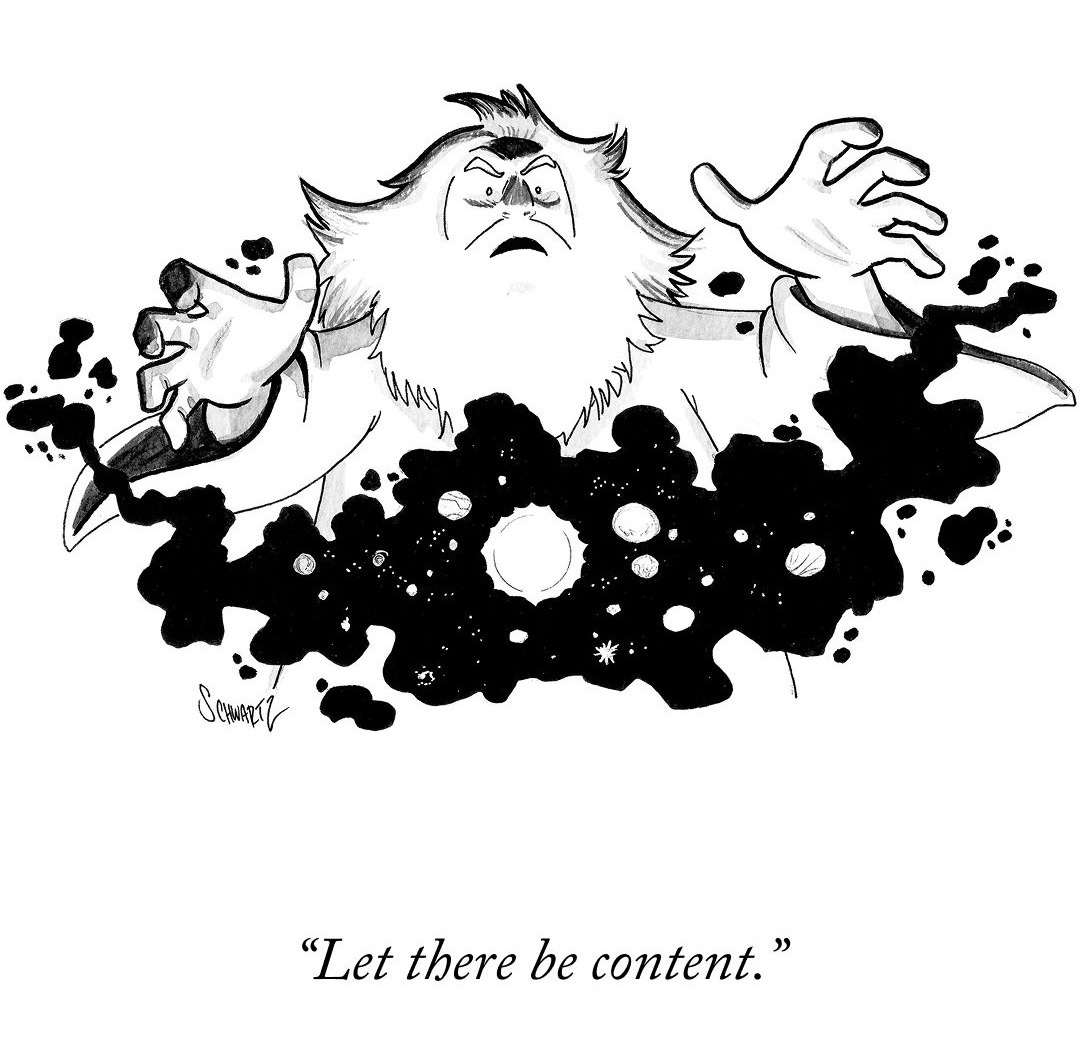
One of the reasons studios have been treating movies even more like products lately is just the sheer amount of content that is being put out. Netflix alone produces over 100 original movies a year, which is more than any studio. Ever. Then, you add all the other studios, plus (and, that is why I used the word “content” above, don’t kill me!) YouTube, TikTok and Meta, and you get the picture.
Movies have to be perfectly targeted to break through that noise and get people to watch them. Added to trailers that look like toilet paper ads, streamers have already started using AI to make their movies more appealing to viewers. For example, they auto-generate different posters for each segment of consumers. If a movie like Titanic appears in the menu for someone who loves romance, the poster will probably feature Jack and Rose together. But, if it shows up for someone who likes disaster movies, (29-year-old spoiler alert) the sinking ship will be the star of the poster.
Netflix was the first to leverage viewers’ data like this. They famously started using machine learning to tag all of their content into hundreds of thousands of micro-genres to perfectly target their products to consumers.
The irony is that as film marketing gets more individualized and focused, production has become more pasteurized.
Colorless deserts and yellow characters
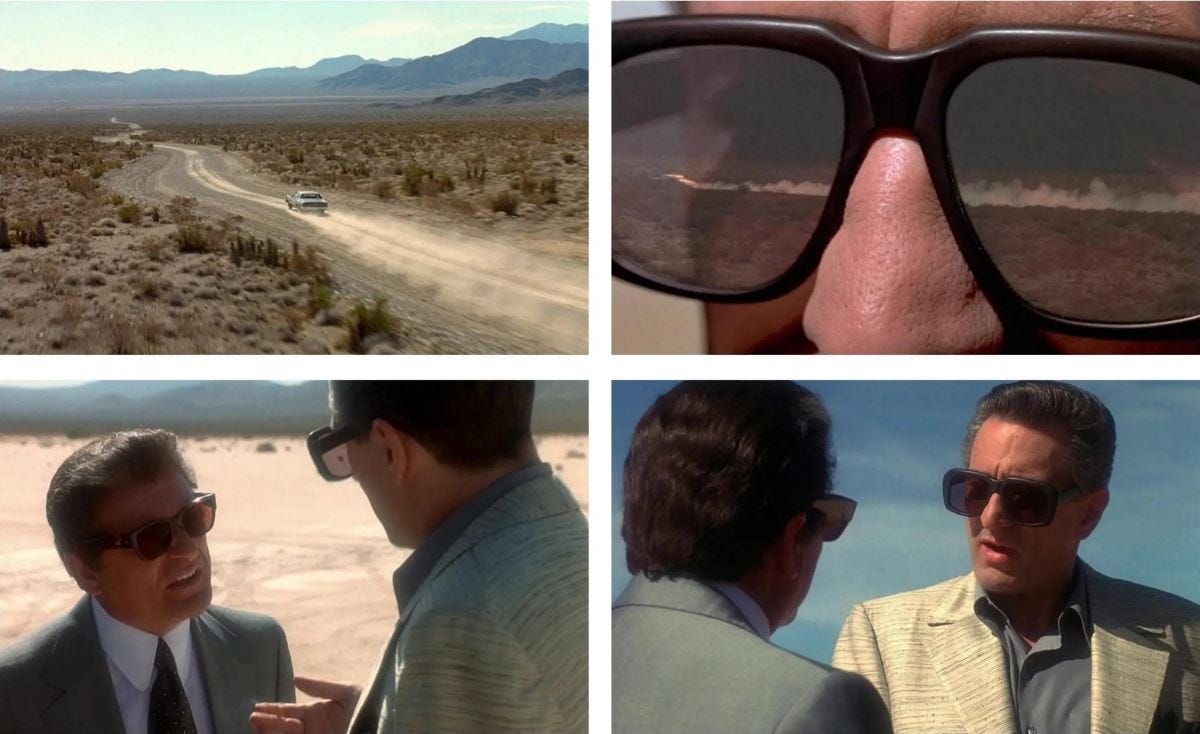
We live in a low-risk epidemic in Hollywood. In terms of the stories that are told, the trailers that are crafted, and even in aesthetics. The famous Netflix-look has contaminated many recent productions. Because movies are not restricted to the theaters anymore, studios look for the lowest common denominator in how people will experience them. That’s why we get bright lighting, low contrast, and flat sound mixes. So the movie kind of works in theaters, or on your TV, or on your phone (or on your Apple Watch?), but works perfectly nowhere.
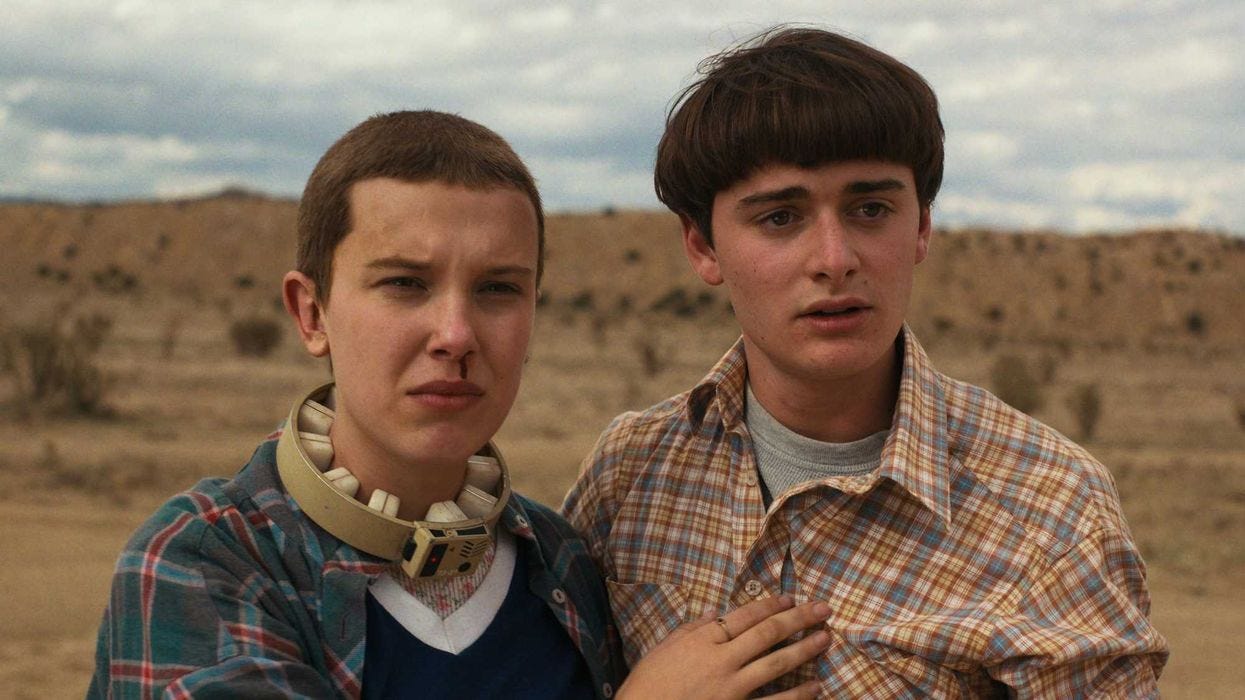
The huge amount of specific data they have access to can even impact small things that would never cross producers’ minds otherwise. For example, yellow has been discovered to be a great color for children’s shows, mostly for its non-gendered connotation. So, be ready to see more SpongeBobs and Minions popping up on your screen(s)!
It is true that market research has always played a big role in the movie industry. Since the early days of Hollywood, producers and executives have been villainized for interfering in the artistic process to make movies more marketable. So this is not a new phenomenon. However, there was a limit to the insights researchers could have in the past. A limit that was drastically expanded by the streamers’ massive data collection and will become an old memory with the rise of AI.
So, what can we do about it?
Investing in films
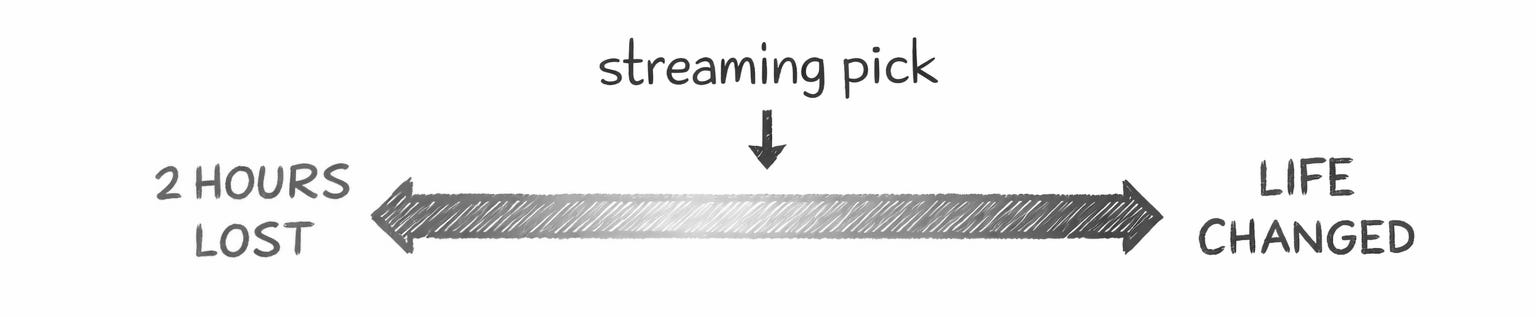
When you sit down to watch a movie, you face a spectrum of possible experiences. It ranges from “I lost two hours of my life” to “my perspective has completely changed”. In a way, you are investing your time and, like any investment, it is high-risk, high-reward.
The algorithm will always suggest a low-risk option. One that sits towards the middle of the spectrum. “Hey, this is something you will like based on your watching pattern!” Much like Amazon will suggest you buy that same toilet paper again after a few weeks. But, if you are willing to take a bet on art, and watch something you normally wouldn’t, that wasn’t created on an assembly line, that would make the algorithm feel clueless… You might have a terrible experience.
But you might also find something really special.
First of all I loved the toilet paper comparison.
I caught myself thinking that I just go with what the algorithm suggests because it´s easier and safe and "average" becomes the choice without us even noticing.
This one is so good. I’m impressed that you managed to find a thread connecting Hitchcock, toilet paper, and Blake Lively. It sounds funny, but it really works. There’s nothing like the growth that comes from stepping outside our comfort zone through art, yet most people prefer the comfort of already knowing, or get distracted by whatever is happening outside the screen.